
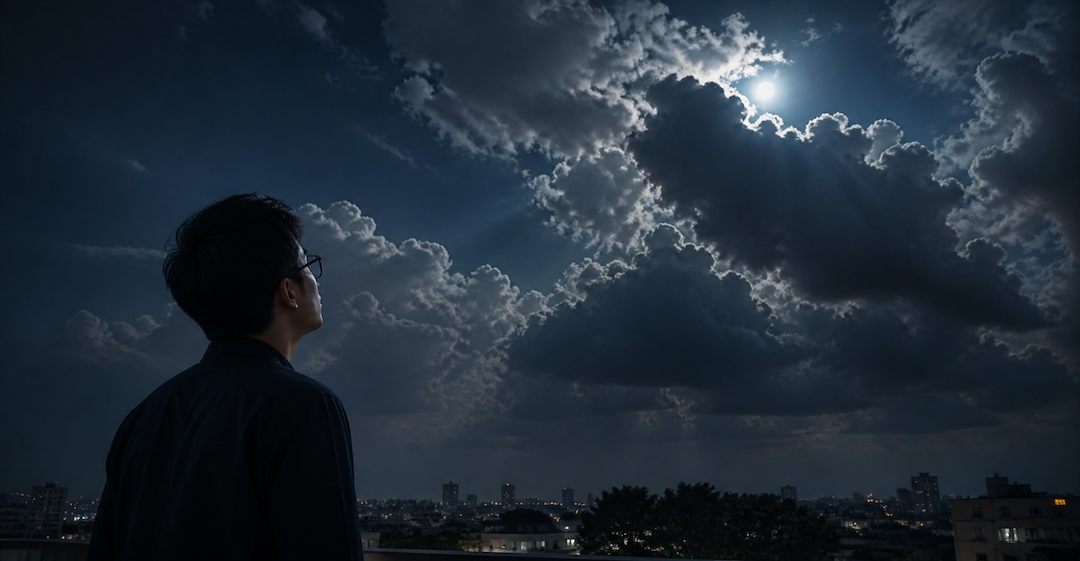
Is design merely about creating solutions—or is it, at its core, a declaration of how one believes life should be lived?
To design is not just to alter form or function. It is to challenge a current state and move toward a more intentional one. At its foundation, design begins with dissatisfaction—not as a flaw, but as a catalyst. It is the recognition that something, somewhere, can be better.
Traditionally, designers were trained to identify problems and construct solutions. The process was often external—focused on systems, products, and observable inefficiencies. However, modern design has evolved. Today, the most impactful work lies not in surface-level problem solving, but in uncovering deeply human-centered challenges.
This shift demands something more difficult: introspection.
A designer must now look inward before looking outward. Beyond identifying what is broken, one must understand why it matters—to people, to emotions, to lived experiences. The true challenge is no longer just technical or functional; it is humanistic.
This introduces a critical tension: the gap between physical reality and the inner qualitative world of an individual. What people do is often visible. What they feel, believe, and struggle with is not.
Design, therefore, becomes an act of bridging these two dimensions.
But this raises an uncomfortable question—how deeply do we truly understand humanity?
We are equipped with frameworks. We learn design thinking methodologies. We integrate advanced tools, including AI, to accelerate ideation and execution. Yet, the question remains: are these tools sufficient?
Or are they simply amplifiers of what we already understand—and misunderstand?
The risk today is not a lack of capability, but a false sense of comprehension. When designers rely too heavily on structured frameworks or automated intelligence, they may overlook the nuance, contradictions, and emotional depth that define real human experiences.
Designing a “vow” is, therefore, not about declaring perfection. It is about committing to a way of seeing the world—one that continuously questions, reflects, and refines.
It is a stance.
A vow that design is not just about making things better, but about understanding what “better” truly means for people.
And that pursuit is never complete.
At Ascend Makea, we support this idealogy. Our co-design studio spaces and design-focused workshops are built to help you set a strong personal “vow”.
If you’re ready to elevate your design journey, reach out to us for a studio tour.
No responses yet